


- To have a claim you must show duty of care, breach, causation and actual damage caused by someone else's failure to take reasonable care.
- Act quickly: standard limitation period is three years from when you knew or should have known about the injury and its cause.
- Document everything: get medical records, photograph the scene, collect witness details, report the incident and keep receipts for expenses.
- Speak to a public liability lawyer early for assessment, insurer negotiation, evidence management and advice, as many claims resolve before court.
If you have been hurt in a public place in Victoria, whether it was a slip at a shopping centre, a fall on a footpath, or an injury at an event, you are probably dealing with a lot right now. Physical recovery, time away from work, unexpected expenses, and the lingering question of what, if anything, you can do about it.
The answer may be a public liability claim. Victoria’s legal framework is designed to protect people who have been injured as a result of someone else’s failure to take reasonable care. While the process can feel unfamiliar, understanding how it works is a powerful first step.
This guide is designed to walk you through the key elements of public liability law in Victoria, clearly, accurately, and in plain language, so you can make informed decisions about your next steps.
Understanding Slip and Fall Claims in Victoria
A public liability claim is a civil action against a person, business, organisation, or authority who owed you a duty of care and failed to meet it, causing you injury or harm. In Victoria, these claims are primarily governed by the Wrongs Act 1958 (Vic), which sets out how negligence is determined, what compensation is available, and how courts assess both liability and loss.
It is worth distinguishing public liability from other types of injury claims. If your injury occurred at your workplace, that would fall under the WorkCover scheme, which operates under a separate legislative framework. If you were injured in a motor vehicle accident, that is governed by the Transport Accident Commission (TAC). Public liability covers a wide range of everyday environments, including shops, parks, council footpaths, sporting venues, and private properties, where someone owed you a duty to keep the space reasonably safe.
Do I Have a Public Liability Claim?
This is the question almost everyone in your position asks first, and it is entirely understandable. People often hesitate because they wonder if their injury was ‘bad enough’, if they somehow caused it themselves, or if the hazard was just part of everyday risk.
These concerns are common, and they do not necessarily mean a claim is not available. In Victoria, a claim requires you to establish:
- Duty of care: The occupier, business, or authority had a legal obligation to take reasonable steps to prevent foreseeable harm to people on their premises.
- Breach: They failed to meet that obligation. For example, by ignoring a known hazard or failing to maintain their premises adequately.
- Causation: Their breach caused your injury.
- Damage: You suffered harm, whether physical injury, financial loss, or both.
The Wrongs Act 1958 (Vic) requires courts to consider what a reasonable person would have done in the same position. If the responsible party fell short of that standard, they may be held liable. Getting a legal assessment of your situation is the most reliable way to understand whether a claim is available to you.
Who Can Be Held Responsible for Your Injury?
Understanding who is responsible for your injury is central to any public liability claim. In Victoria, responsibility is assessed by looking at who had control over the premises or activity that caused your harm, and whether they took reasonable steps to prevent foreseeable injury.
Private Property Owners
Homeowners and property owners in Victoria have a duty of care to people they invite onto their property. Where an unsafe condition on a private property was foreseeable and not addressed, the owner may be held responsible for any resulting injury.
Businesses and Occupiers
Businesses, including retailers, restaurants, gyms, cinemas, and hotels, must take reasonable precautions to ensure their premises are safe. The Wrongs Act 1958 (Vic) requires that the risk was foreseeable, that the precautions a reasonable business would have taken were not implemented, and that this failure contributed to your injury.
Employers Outside Workers’ Compensation Contexts
If you were injured at a business or commercial property as a visitor, customer, or contractor (not as an employee making a workers’ compensation claim), your claim falls under public liability. Employers owe a duty of care to all people on their premises.
Event Organisers
Event organisers in Victoria have a responsibility to provide a reasonably safe environment. Whether it is a music festival, sporting event, or community gathering, inadequate crowd management, unsafe structures, or poor venue conditions can all give rise to a public liability claim.
Government Bodies and Public Authorities
Councils and public authorities in Victoria are subject to public liability claims, though the Wrongs Act 1958 (Vic) recognises that their obligations must be assessed in the context of their available resources and functions. Where a council, for example, failed to respond to a known footpath hazard within a reasonable time, they may be held accountable. Claims against public authorities often involve specific procedural considerations, and early legal advice is strongly recommended.
Common Public Liability Claim Scenarios
Public liability claims can arise in a wide range of situations. Common examples include:
- Slipping on a wet floor in a supermarket, shopping centre, or café
- Tripping on a damaged footpath, cracked pavement, or raised edge maintained by a council
- Falling due to inadequate lighting, broken stairs, or missing handrails in a commercial property
- Being injured at a sporting facility, swimming pool, or fitness venue due to a safety failure
- Suffering harm at a concert, market, festival, or community event
- Being injured in the common areas of an apartment building or commercial complex
If your situation resembles any of these, it is worth exploring whether a claim may be open to you.
What Compensation Can You Claim?
The financial impact of a public injury is real: medical bills, time off work, rehabilitation costs, and the disruption to your daily life. Victoria’s public liability compensation framework is designed to address these losses in full.
| Type of Compensation | What It Covers |
|---|---|
| General Damages (Non-Economic Loss) | Compensation for pain, suffering, loss of enjoyment of life, and the emotional impact of your injury. |
| Special Damages (Economic Loss) | Lost wages, reduced earning capacity, and any future income you are unable to earn as a result of your injury. |
| Medical and Treatment Expenses | Costs of hospital care, physiotherapy, specialist consultations, surgery, rehabilitation, and ongoing care needs. |
| Out-of-Pocket Expenses | Travel to appointments, home modifications, aids and equipment, and other reasonable costs directly related to your injury. |
| Domestic Assistance | Compensation for tasks you can no longer perform at home, such as cleaning, cooking, or childcare, that now require outside help. |
| Care Provided by Family or Friends | In NSW, compensation for care provided by family or friends is subject to statutory requirements under the Civil Liability Act 2002 (NSW). To be claimable, the care must be required as a result of the injury and provided for at least 6 hours per week over at least 6 consecutive months. A lawyer can advise whether your situation meets these criteria. |
In Victoria, compensation for non-economic loss (pain and suffering) is subject to a threshold under the Wrongs Act 1958 (Vic) and supporting regulations. Whether your injury qualifies is a technical assessment that varies depending on the nature and type of injury, and is not a simple pass/fail test. A lawyer can advise whether your circumstances are likely to meet the threshold and what that means for the value of your claim. Economic loss, including lost wages and medical expenses, is generally more straightforward to pursue.
How to Make a Public Liability Claim in Victoria
The process in Victoria generally follows these key steps. Understanding what to expect at each stage helps to reduce uncertainty and allows you to focus on your recovery.
- Seek medical attention. Get treatment immediately and ensure your injury is properly documented by a medical professional.
- Document the scene and circumstances. If possible, photograph the hazard, note the time and location, and collect witness contact details.
- Report the incident. Notify the property owner, business manager, or relevant authority as soon as possible. Ask for a copy of any incident report.
- Keep a record of all losses. Retain receipts for medical costs, pharmacy expenses, and any other out-of-pocket costs related to your injury.
- Engage a public liability lawyer. A lawyer will assess your claim, identify the responsible party, and advise on the most appropriate path forward.
- Pre-litigation negotiation. Your lawyer will write to the insurer of the at-fault party and enter into negotiations. Many Victorian public liability claims are resolved at this stage without proceeding to court.
- Proceedings if required. If the matter cannot be resolved through negotiation, your lawyer may advise commencing proceedings in the Magistrates Court, County Court, or Supreme Court of Victoria, depending on the value of your claim.
After lodging your claim, the process generally involves exchange of evidence, independent medical assessments, and negotiations. The majority of matters are resolved before a final hearing.
Time Limits for Public Liability Claims in Victoria
In Victoria, the standard limitation period for personal injury claims, including public liability, is three years from the date you became aware, or ought reasonably to have become aware, of the injury and its connection to someone else’s negligence.
If the injured person is under 18, the limitation period does not begin until they turn 18. Where the injury was not immediately apparent, the period may begin from the date of discoverability rather than the date of the incident itself.
If you believe your limitation period may have passed, there are circumstances in which an extension may be granted by the court, but this is not automatic and the bar is high.
The practical message is straightforward: acting early protects your rights. Evidence is easier to gather, witnesses are more accessible, and your legal options remain fully open. Even if you are not certain about pursuing a claim, getting advice costs nothing and gives you clarity.
When Should You Speak to a Lawyer?
You do not need to have all the answers before speaking to a lawyer. If you have been injured and believe someone else may have been responsible, that is enough reason to seek a professional assessment.
Public liability law in Victoria involves several layers of complexity: the statutory threshold for non-economic loss under the Wrongs Act 1958 (Vic) and supporting regulations, procedural obligations before filing a claim, and insurer negotiation practices that favour those with experienced legal representation. Navigating this alone is possible, but it places you at a disadvantage.
Our Victorian team understands how local courts and insurers approach these claims. We take care of the paperwork, manage insurer communications, and work to ensure you receive compensation that genuinely reflects your losses.
We offer no win, no fee for public liability claims in Victoria, which means you can access experienced legal representation without any upfront financial commitment.
People often worry that their claim is not significant enough, or that speaking to a lawyer will somehow ‘lock them in’. Neither is true. An initial conversation is just that: a conversation. We will give you an honest view of your options and let you decide what feels right.
Still have questions?
Our Melbourne team is available to help you understand your rights under Victoria’s public liability framework. You can explore our Melbourne public liability service page for city-specific information, or contact us directly for a free, obligation-free conversation about your situation.
Get Free Claim Advice — No obligation, no cost, just clarity. Call LHD Lawyers or submit an enquiry online.
Frequently Asked Questions
What is the significant injury threshold in Victoria?
What if I was partly to blame for my injury?
Can I claim if I was injured at a friend's home?
What does no win, no fee mean in practice?
How long will my claim take?
Other Insights you may be interested in
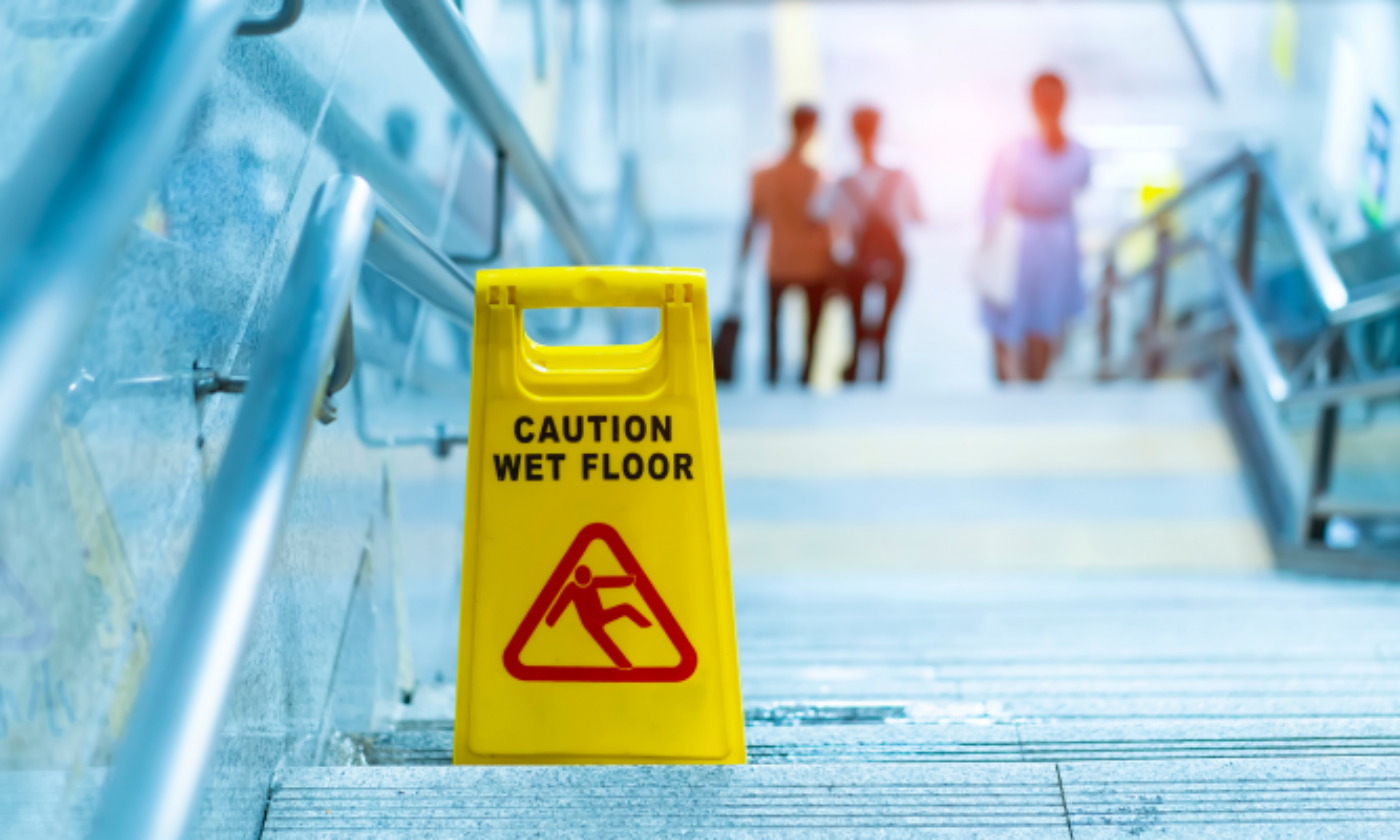
That ‘Wet Floor’ Sign Doesn’t Let the Business Off the Hook and Other Public Liability Misconceptions That Cost People Their Claims
Speak with our team about your claim
Complete the form or call 1800 455 725 for free claim advice.
Call now- 99% win rate
- No win no fee guarantee
- Over 35 years experience