
- Prove the owner owed a duty of care, breached it and that breach caused your injury.
- Seek immediate medical treatment and keep all injury, diagnosis and treatment records and receipts.
- Gather photos, witness details, incident reports and any CCTV; preserve the scene and collect statements.
- Notify the property owner or insurer, act promptly and get legal advice; be aware of limitation periods.
Being hurt in a public place can be disorienting. Whether you slipped at a shopping centre, were injured at an event, or fell on an unsafe footpath, the experience often leaves people feeling shaken, uncertain, and unsure of where to turn. The physical recovery is demanding enough. The last thing you need is to feel lost in a maze of legal complexity.
What many people do not realise is that if your injury happened because someone else failed in their duty to keep you safe, you may be entitled to compensation. In New South Wales, public liability law exists precisely for this reason: to hold property owners, businesses, councils, and organisations accountable when their negligence causes harm.
This guide explains how public liability claims work in NSW, who can make a claim, what compensation may be available, and what the process looks like from start to finish. Our goal is not to overwhelm you with legal detail, but to give you the clarity and confidence to understand your options.
Understanding Slip and Fall Claims in NSW
A public liability claim is a legal action brought by a person who has been injured due to the negligence of another party, including a property owner, business, event organiser, council, or other entity, who had a responsibility to ensure the space was reasonably safe.
Public liability law in New South Wales is primarily governed by the Civil Liability Act 2002 (NSW). This legislation sets out the legal framework for how negligence is assessed, what damages are available, and how courts weigh up both the injured person’s circumstances and the behaviour of the party responsible.
It is worth noting how public liability differs from other types of claims. If you were injured at work, that would fall under workers’ compensation, which has its own scheme in NSW. If your injury involved a motor vehicle, that would be governed by the Compulsory Third Party (CTP) insurance system. Public liability covers a broader range of situations, including injuries on private property, in commercial venues, on public land, or in any environment where someone owed you a duty of care.
Do I Have a Public Liability Claim?
This is often the first question people ask, and it is completely understandable to feel unsure. Many people second-guess themselves after an injury, wondering whether what happened was ‘serious enough’, or whether they were somehow at fault for not being more careful.
The uncertainty is normal. But it is worth knowing that public liability claims are assessed based on the circumstances of the incident, not on how dramatic it sounds or how severe you initially believe your injury to be.
To have a valid public liability claim in NSW, certain elements generally need to be established:
- Duty of care: The person or organisation had a responsibility to take reasonable precautions to prevent harm to people in that space.
- Breach of duty: They failed to meet that standard. For example, by not addressing a hazard they knew about, or by failing to maintain their premises to a reasonable standard.
- Causation: Their breach directly caused your injury.
- Loss or damage: You suffered a real loss, whether physical, financial, or both.
Common reasons people assume they do not have a claim include: thinking the hazard was obvious, believing they should have been more careful, or assuming the injury was not serious enough. In many cases, these assumptions are not legally accurate. A public liability lawyer can help you understand whether the circumstances of your situation may give rise to a claim.
Who Can Be Held Responsible for Your Injury?
One of the most important things to understand is that you are not pursuing compensation out of nowhere. Your claim would be directed at a specific party: a person, business, or organisation whose failure to maintain a safe environment contributed to your injury. The Civil Liability Act 2002 (NSW) sets out how responsibility is assessed in different contexts.
Private Property Owners
Homeowners and private landlords have a duty of care to people who enter their property, particularly invited guests. In NSW, this duty is assessed against what a reasonable person in their position would have done to prevent foreseeable harm. If an unsafe condition on a private property caused your injury, the owner may be liable.
Businesses and Occupiers
Businesses, including retailers, restaurants, gyms, shopping centres, hotels, and entertainment venues, are required under NSW law to take reasonable steps to ensure their premises are safe for customers and visitors. Where a hazard was foreseeable and the business failed to address it within a reasonable time, they may be held liable for resulting injuries.
Employers Outside Workers’ Compensation Contexts
If you were injured at a workplace but are not an employee, for example as a contractor, visitor, or customer, your claim may fall under public liability rather than workers’ compensation. Employers and business operators have a duty to maintain safe premises for all people on site.
Event Organisers
Event organisers, whether running a festival, a sporting event, a market, or a corporate function, owe a duty of care to all attendees. This includes ensuring adequate safety measures, crowd management, and venue standards. If an inadequate safety plan contributed to your injury, the organiser may be responsible.
Government Bodies and Public Authorities
Claims against government bodies or councils in NSW require attention to specific provisions under the Civil Liability Act 2002 (NSW), particularly sections 41 to 45. These sections provide certain protections to public authorities, but they do not provide blanket immunity. The court will consider whether the authority exercised reasonable judgment given the resources and responsibilities it carried. Additional procedural requirements or considerations may apply before or when commencing proceedings against a public authority in NSW. Getting legal advice early is especially important in these cases.
Common Public Liability Claim Scenarios
If you are wondering whether your situation could give rise to a claim, here are some of the most common scenarios we see. This list is not exhaustive; public liability law covers a broad range of circumstances.
- Slipping on a wet floor in a supermarket or shopping centre
- Tripping on an uneven footpath or pavement maintained by a council
- Falling due to a broken step, railing, or structural hazard on private property
- Being injured at a sporting event, concert, or community event due to unsafe conditions
- Suffering harm at a restaurant, hotel, gym, or entertainment venue
- Being injured in a car park, stairwell, or other common area of a commercial building
- Falling on wet surfaces in public amenities, parks, or recreation areas
If your situation sounds similar to any of the above, it is worth speaking with a lawyer to explore whether a claim may be available to you.
What Compensation Can You Claim?
One of the understandable concerns for anyone going through an injury is the financial impact: the time off work, the medical bills, the ongoing recovery costs. Public liability compensation in NSW is designed to address the real losses your injury has caused. It is worth noting upfront that compensation for non-economic loss (pain and suffering) in NSW is only available where the severity of your injury is assessed at 15% or more of a most extreme case under the Civil Liability Act 2002 (NSW). Economic losses such as medical expenses and lost income are assessed separately and are not subject to this threshold.
| Type of Compensation | What It Covers |
|---|---|
| General Damages (Non-Economic Loss) | Compensation for pain, suffering, loss of enjoyment of life, and the emotional impact of your injury. |
| Special Damages (Economic Loss) | Lost wages, reduced earning capacity, and any future income you are unable to earn as a result of your injury. |
| Medical and Treatment Expenses | Costs of hospital care, physiotherapy, specialist consultations, surgery, rehabilitation, and ongoing care needs. |
| Out-of-Pocket Expenses | Travel to appointments, home modifications, aids and equipment, and other reasonable costs directly related to your injury. |
| Domestic Assistance | Compensation for tasks you can no longer perform at home, such as cleaning, cooking, or childcare, that now require outside help. |
| Care Provided by Family or Friends | In NSW, compensation for care provided by family or friends is subject to statutory requirements under the Civil Liability Act 2002 (NSW). To be claimable, the care must be required as a result of the injury and provided for at least 6 hours per week over at least 6 consecutive months. A lawyer can advise whether your situation meets these criteria. |
The amount of compensation available will depend on the specific facts of your case, including the severity of your injury, its impact on your capacity to work, and the costs of your ongoing treatment. As noted above, non-economic loss requires meeting the 15% threshold before damages are available. A lawyer can assess your injury against this threshold and advise on the realistic range of compensation in your circumstances.
How to Make a Public Liability Claim in NSW
The process can feel daunting, but breaking it down into clear steps makes it much more manageable. Here is what the process generally looks like in New South Wales.
- Seek medical attention.
Your health is the priority. Get treatment for your injury and ensure all assessments, diagnoses, and treatment are documented by your doctor or hospital. - Gather evidence at the scene.
If possible, take photographs of the hazard, note the date and time, and collect contact details from any witnesses. - Report the incident.
Notify the property owner, business, or authority about the incident. Where possible, request a written record or incident report. - Keep records of your losses.
Hold onto receipts for medical appointments, medications, and any other costs related to your injury. Keep a diary of your symptoms and how they affect your day-to-day life. - Contact a public liability lawyer.
A lawyer will assess your situation, advise whether you have a viable claim, identify the liable party, and begin the formal claims process on your behalf.
After lodging your claim, the process generally moves through investigation, exchange of evidence, and negotiation. Many public liability matters in NSW are resolved before reaching trial.
Time Limits for Public Liability Claims in NSW
In New South Wales, the standard limitation period for a personal injury claim, including public liability, is three years from the date you became aware, or ought reasonably to have become aware, of the injury and its connection to someone else’s negligence.
There are some exceptions to this rule. If the injured person is a child, the three-year period generally does not begin until they turn 18. If the injury was not immediately apparent, the period may begin from the date of discoverability.
If the limitation period has passed, you may still be able to apply to the court for an extension, but this is not guaranteed and the circumstances will be closely scrutinised.
The important thing to understand is that waiting reduces your options. Evidence becomes harder to gather, witnesses’ memories fade, and the legal process becomes more complex. Getting advice early, even if you are not ready to commit to a claim, gives you the best possible starting position.
When Should You Speak to a Lawyer?
Many people consider managing a public liability claim on their own, particularly when the circumstances seem straightforward. But public liability law in NSW involves a number of legal nuances, including the specific provisions of the Civil Liability Act 2002, insurer negotiation tactics, and strict evidentiary requirements, that can make the process significantly more challenging without professional support.
A lawyer helps with more than just paperwork. They assess the full value of your claim, communicate directly with the insurer, manage your compliance with procedural requirements, and advocate for your interests throughout the process. For claims involving public authorities or serious injuries, this expertise is particularly valuable.
Our NSW team understands how local courts approach these matters and has experience working with insurers across a wide range of public liability scenarios.
We offer no win, no fee for public liability claims, so you can get the legal support you need without worrying about upfront costs.
Common concerns before calling include uncertainty about whether the claim is ‘serious enough’, worry about the cost of legal advice, or concern about how long the process will take. These are all things we are happy to discuss openly during an initial conversation, with no obligation.
Still Have Questions?
If you have been injured in New South Wales and are unsure whether you have a public liability claim, our team is here to help you understand your options. You can explore our Sydney public liability service page for more information specific to your area, or get in touch directly for a free initial conversation.
Get Free Claim Advice — No obligation, no cost, just clarity. Call LHD Lawyers or submit an enquiry online.
Frequently Asked Questions
How long does a public liability claim take in NSW?
Can I make a claim if I was partly at fault?
What if I cannot identify who was responsible?
What if I cannot afford a lawyer?
Do I need to go to court?
Other Insights you may be interested in
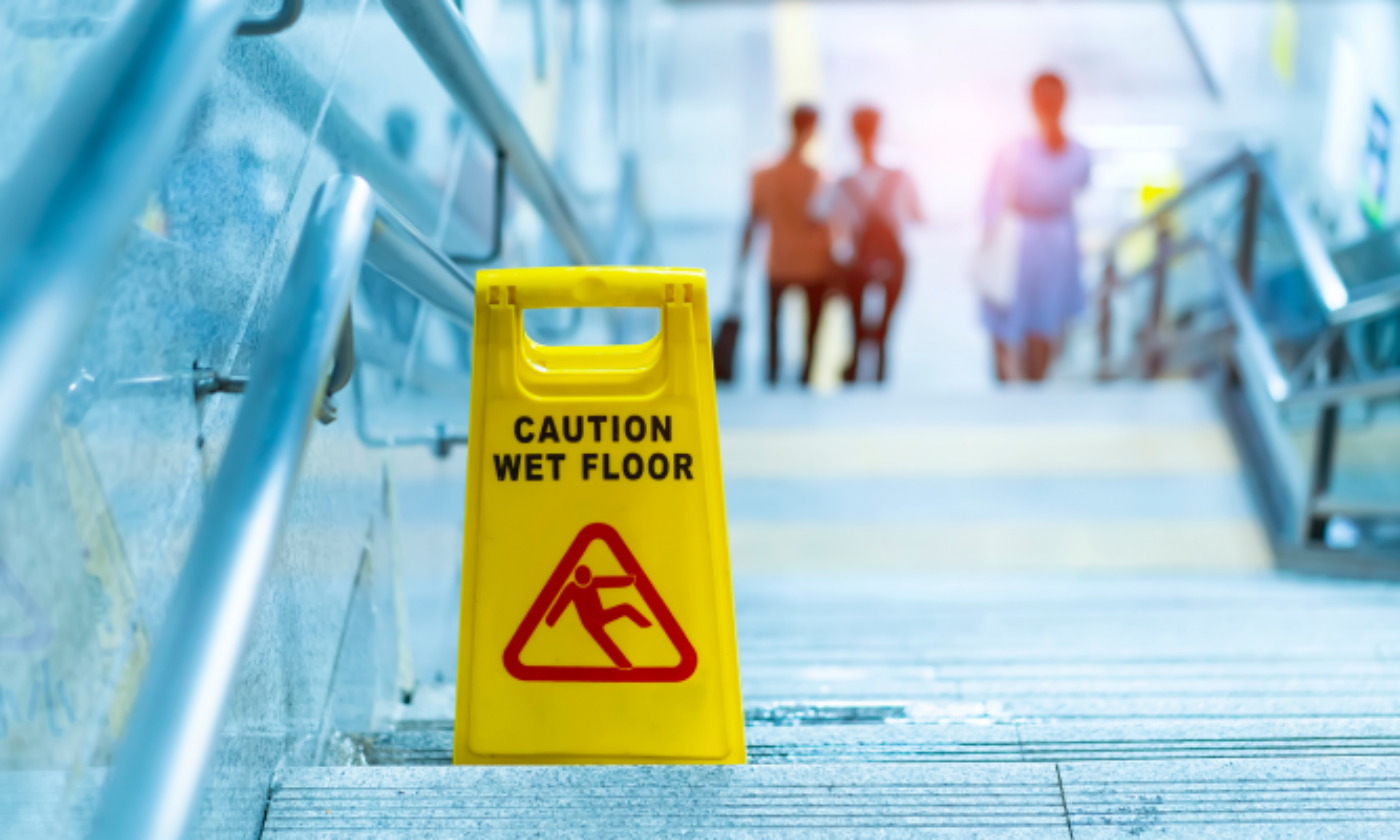
That ‘Wet Floor’ Sign Doesn’t Let the Business Off the Hook and Other Public Liability Misconceptions That Cost People Their Claims


Speak with our team about your claim
Complete the form or call 1800 455 725 for free claim advice.
Call now- 99% win rate
- No win no fee guarantee
- Over 35 years experience