
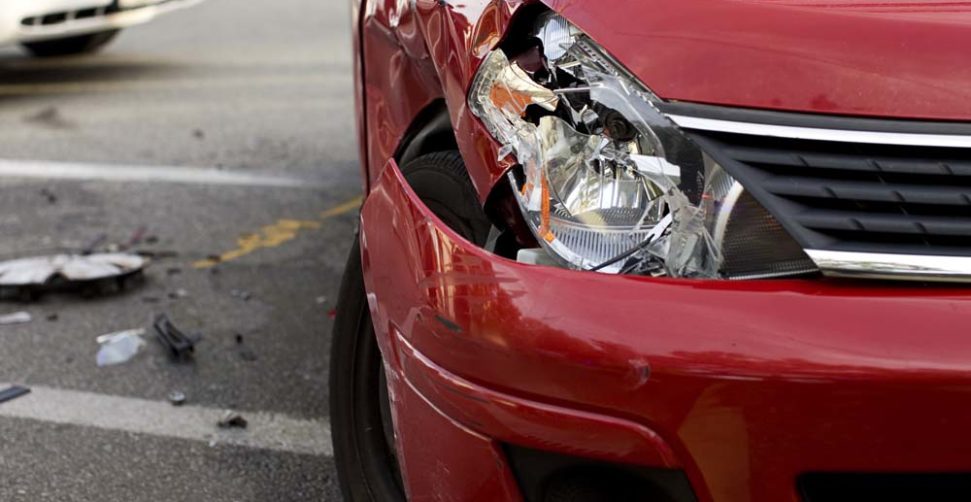
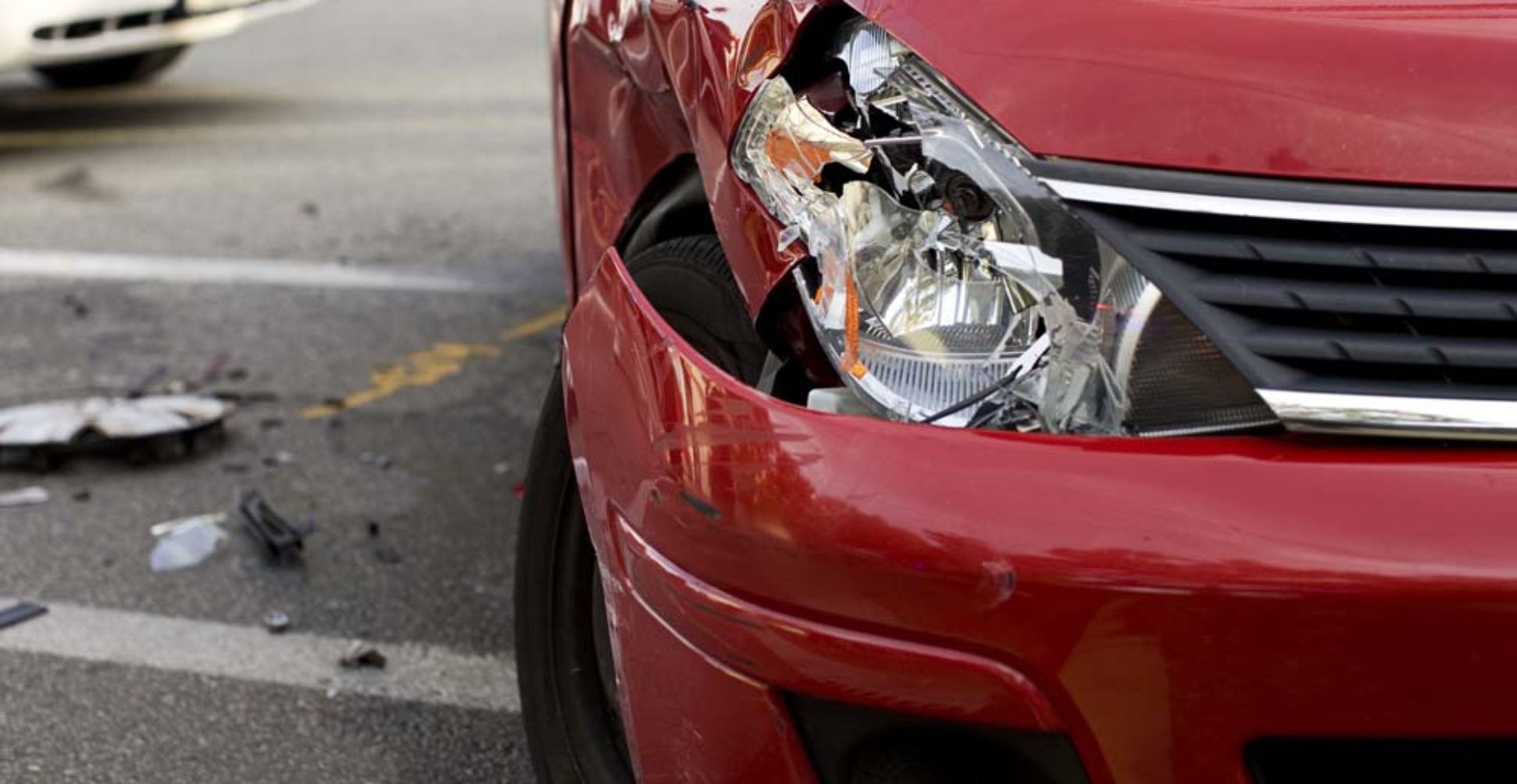
- MAIB administers Tasmania's no-fault CTP scheme, providing medical and income benefits under motor accidents legislation.
- Any injured party can claim, including at-fault drivers and non-residents, if a Tasmanian-registered vehicle was involved.
- Covers ambulance, hospital, GP, allied health, medical appliances, attendant care, travel, lost earnings and funeral or dependent payments.
- Report the crash, gather evidence and lodge MAIB Notice of Accident and Application for Benefits; time limits: three months if unidentified, twelve months otherwise.
Being involved in a motor vehicle accident is unsettling under any circumstance. The hours afterwards are usually filled with phone calls, paperwork, and a quiet anxiety about what comes next — especially if you’ve been injured.
If you’ve been hurt on Tasmanian roads, you don’t have to figure it all out at once. The rules for motor vehicle accident claims differ across Australia, and Tasmania’s scheme is unusually generous in one important respect: it operates on a no-fault basis for basic benefits, meaning support is available even where the accident was your fault.
This guide explains how motor vehicle accident claims work in Tasmania at your own pace. We’ll walk through how the Motor Accidents Insurance Board (MAIB) handles claims, who is eligible, what entitlements may be available, and the steps involved in lodging a claim. If at any point you’d like tailored guidance, our car accident lawyers in TAS are here to help.
How Car Accident Claims Work in Tasmania
Tasmania’s motor vehicle accident scheme exists to ensure that people injured on the road can access medical treatment, rehabilitation and support during their recovery — regardless of who caused the crash. It’s funded through compulsory third party (CTP) premiums paid by Tasmanian drivers when they register their vehicles.
The scheme is designed to remove a barrier that has historically caused many injured people to miss out on treatment: the question of fault. In Tasmania, that barrier is largely set aside for the basic benefits, so support can begin while you focus on getting better.
How does MAIB operate in Tasmania?
In Tasmania, motor vehicle accident claims are administered by the Motor Accidents Insurance Board (MAIB). MAIB is a Tasmanian Government Business Enterprise that runs the state’s CTP scheme, established under the Motor Accidents (Liabilities and Compensation) Act 1973.
MAIB pays what are called scheduled benefits — the basic medical and income support paid on a no-fault basis to people injured in a motor vehicle accident. This is separate from common law damages, which may be available where the injury was caused by another driver’s negligence.
The two layers of the Tasmanian scheme:
Scheduled benefits (no-fault) — eligibility for treatment and income support if you’re injured in a covered accident, regardless of who was at fault.
Common law damages (fault-based) — additional compensation if your injury was caused by someone else’s negligence, including pain and suffering and loss of future earning capacity.
Most people start by lodging an Application for Scheduled Benefits with MAIB. From there, depending on the circumstances, a common law claim may also be appropriate — and this is often where speaking with experienced motor vehicle accident lawyers in TAS becomes important.
How Fault Is Treated Under Tasmanian Law
Fault is one of the most stressful concepts to think about after an accident. The good news in Tasmania is that being at fault — or partly at fault — does not stop you from receiving the basic support the scheme provides.
The scheme operates as a hybrid model: no-fault for scheduled benefits, fault-based for common law damages. Here’s what that means in practice:
- You can claim scheduled benefits even if the accident was your fault. Medical, hospital, ambulance and income loss benefits are paid regardless of who caused the crash, provided your claim is accepted and the relevant scheme requirements are met.
- You may also claim common law damages if another person’s negligence caused your injury. This is where larger compensation amounts (including for pain and suffering) generally come from.
- “Daily care” claimants — people who require at least two hours of care per day for an indefinite period — are not subject to monetary limits on their ongoing care, rehabilitation and treatment expenses.
What fault affects:
- Whether you can pursue common law damages in addition to scheduled benefits.
- The size of any pain and suffering or future earning capacity component.
What fault does not automatically affect:
- Your ability to receive medical and income support through MAIB.
- Your eligibility to lodge an application for scheduled benefits.
If you’ve been hesitating to seek information because you think you were at fault, please don’t. Tasmania’s scheme exists precisely to support people in your position.
Do I Have a Motor Vehicle Accident Claim?
Wondering if you have a claim is one of the most common feelings after an accident. There’s a tendency to second-guess yourself — “It probably wasn’t that bad,” “I don’t want to make a fuss,” “I’ll wait and see.” Eligibility under MAIB is decided by how the scheme applies to your situation, not by your own assessment of how serious things are.
Eligibility for making a claim
Most people involved in a motor vehicle accident in Tasmania can make a claim, including those at fault. The scheme is broad in who it covers:
| Road user | Eligibility |
|---|---|
| Drivers | Eligible regardless of fault, including at-fault drivers. |
| Passengers | Eligible regardless of fault. |
| Pedestrians | Eligible if injured by a motor vehicle. |
| Cyclists | Eligible if injured by a motor vehicle. |
| Motorcyclists | Eligible regardless of fault. |
Tasmanian residents can lodge a claim with MAIB even when they’re injured outside Tasmania, provided the vehicle they were in or driving was Tasmanian-registered. In certain circumstances, non-residents injured in Tasmania can also claim. Claims may also be possible where the other party’s vehicle wasn’t registered, or where the other driver can’t be identified — though shorter time limits apply in those cases (more on that below).
Minor or delayed injuries
Not every injury appears straight away. Whiplash, soft tissue injuries, and certain back and neck conditions can take days or weeks to fully present. Walking away from a crash feeling “fine” doesn’t mean you don’t have a claim — it just means your symptoms hadn’t fully developed yet.
If injury symptoms appear after the fact, see a GP as soon as you can and ask them to document the timeline. Reporting the accident promptly to police, even after the event, helps establish the connection between your injury and the crash.
Psychological injuries
Motor vehicle accidents can leave injuries that aren’t visible. Anxiety, post-traumatic stress, depression, and other psychological responses to road trauma can be just as disabling as physical injuries. In Tasmania, psychological injuries arising from a motor vehicle accident can be considered as part of a claim, with eligibility supported by appropriate medical evidence and assessment.
If you’ve been struggling with the emotional after-effects of an accident, please speak to your GP. Recognising and treating psychological injury is part of a complete recovery.
What Compensation Can You Claim?
Recovery costs add up. Doctor’s appointments, physiotherapy, medication, time off work — even when scheduled benefits are paid, the financial reality of an accident can be hard. The categories of support available under the Tasmanian scheme are designed to address those realities directly.
What you can ultimately claim depends on the severity of your injury, whether another person’s negligence was involved, and your individual circumstances. The table below outlines the main categories.
| Type of compensation | What it covers |
|---|---|
| Medical and hospital expenses | GP, hospital, ambulance, specialist, surgical and allied health costs. |
| Medical appliances | Equipment needed for your recovery, such as braces, crutches or aids. |
| Attendant care | Care and support at home where required due to your injury. |
| Travel costs | Reasonable travel for medical appointments and treatment. |
| Income loss | Generally based on a portion of your average weekly earnings prior to the accident. |
| Funeral and dependency benefits | Where someone has been fatally injured, support for funeral costs and financially dependent family members. |
| Common law damages | Pain and suffering, loss of future earning capacity and other heads of damage where another driver’s negligence caused the injury. |
Daily care claimants — those needing two or more hours of care per day for an indefinite period — are not subject to a monetary limit for their ongoing expenses for care, rehabilitation and treatment.
How to Make a Motor Vehicle Accident Claim in Tasmania
Knowing the path through a claim usually makes it less daunting. The MAIB process is designed to be accessible, but there are still steps that matter — both for getting your claim accepted and for setting you up for the best outcome.
- Seek medical attention immediately. Visit a GP or hospital as soon as possible after the accident, even if you think your injuries are minor. Documentation matters.
- Report the accident to police. MAIB requires a Traffic Crash Report number to assess your eligibility. If police didn’t attend the scene, attend your local station and report the accident in person.
- Lodge a Notice of Accident. This form, available from MAIB, alerts the scheme that an accident has occurred. If you were injured, you’ll also lodge an Application for Scheduled Benefits.
- Provide supporting documentation. Medical records, employment information and other relevant evidence will help MAIB assess your claim. Your employer may need to complete a confirmation form if you’re claiming for loss of income.
- Work with MAIB on your claim. A claims officer will guide you through what’s needed and may arrange independent medical examinations.
- Consider whether a common law claim applies. If another person’s negligence caused your injury, motor vehicle accident lawyers in TAS can advise on whether a common law claim is appropriate alongside your MAIB benefits.
- Engage with assessments and treatment plans. Stay in touch with MAIB and your treating health professionals throughout your recovery.
Once your claim is in motion, support can begin while everything else is being assessed. You don’t need to wait until every form is signed before treatment starts.
Evidence You’ll Need for Your Claim
Evidence builds over time. Don’t worry about having everything ready on day one — focus on collecting what you can, when you can.
| Proof required | Evidence to collect |
|---|---|
| The accident occurred | Police Traffic Crash Report number, dashcam footage, photos of the scene. |
| Vehicles involved | Registration details, photos showing damage. |
| You were injured | Medical records, GP notes, hospital records, specialist reports. |
| The injury affects your life | Records of time off work, payslips, employer confirmation. |
| Treatment costs | Receipts for medical appointments, medication, physiotherapy, travel. |
| Negligence (for common law) | Witness statements, police findings, evidence of breach of duty. |
A simple folder where you drop everything related to the accident as it comes in can save you a lot of stress later.
Time Limits for Motor Vehicle Claims in Tasmania
Tasmania has firm time limits for motor vehicle accident claims, and they vary depending on the circumstances.
Twelve months is the general time limit for lodging a claim with MAIB if all drivers involved can be identified.
Three months is the time limit where the other driver involved in the accident cannot be identified.
Common law claims have separate limitation periods, generally governed by Tasmanian limitation legislation. Different rules can apply to minors and in some other circumstances.
Tighter time limits — particularly the three-month rule for unidentified drivers — make early action important. Even within the longer twelve-month window, sooner is almost always better. Evidence is easier to collect, witnesses are easier to contact, and the link between your injury and the accident is easier to establish.
If you think time may already have passed, don’t assume the door is closed. Speak with our accident lawyers in TAS to clarify where you stand.
When Legal Advice Can Make a Difference
A frequent thought after an accident is, “It’s probably too early to speak to a lawyer.” In our experience, the opposite is usually true. By the time things have become difficult — a dispute over income support, a question about a common law option, a contested medical assessment — much of the groundwork has already been laid, and the room to manoeuvre has narrowed.
Engaging legal advice early can mean:
- Your scheduled benefits claim is set up properly from day one.
- The question of whether a common law claim applies is properly assessed.
- Communication with MAIB is handled by someone familiar with the scheme.
- Evidence is preserved and gathered while it’s still fresh.
LHD has supported Tasmanians through motor vehicle accident claims for years. Our team of car accident lawyers in TAS understands how MAIB operates, how scheduled benefits and common law damages interact, and how to position your claim for the best possible outcome.
We work on a No Win, No Fee basis, so there’s no financial risk to having an initial conversation. There’s also no obligation to proceed — many people just want to know where they stand.
What clients often worry about before calling, and don’t need to:
- That their case is “too small.”
- That speaking with a lawyer means committing to legal action.
- That legal help is only for serious injuries or contested claims.
None of those concerns reflect how the process actually works.
Still have questions?
Every claim is different, and the questions you have will depend on your circumstances. Our local pages cover common questions across Tasmania:
Get Free Claim Advice — Reassuring conversation, no obligation.
FAQs
Can I claim with MAIB if the accident was my fault?
How long do I have to lodge a MAIB claim?
Do I need car accident lawyers in TAS to make a MAIB claim?
What if the accident happened outside Tasmania?
Are psychological injuries covered?
Other Insights you may be interested in


Speak with our team about your claim
Complete the form or call 1800 455 725 for free claim advice.
Call now- 99% win rate
- No win no fee guarantee
- Over 35 years experience